
It Ends with Us
Basic information
Colleen Hoover’s It Ends with Us is a contemporary romance novel first published in English by Atria Books on August 2, 2016. Set largely in Boston, Massachusetts, the novel follows Lily Bloom, a young woman who builds an independent life while confronting the return of old love and the emergence of violence in a new relationship. Although it is commonly shelved as romance, the book is not simply a story about choosing between two men. Its central concern is intimate-partner abuse: how it can be concealed by charm, success, tenderness, and genuine emotional attachment, and how difficult it can be for a victim to recognize and leave it.
Plot overview
After her father’s death, Lily moves away from her painful past and settles in Boston, where she realizes her ambition of running a flower shop. Flowers give her a livelihood and a symbol of renewal: she wants to cultivate a life that belongs to her. She meets Ryle Kincaid, a charismatic and successful neurosurgeon. Their attraction develops rapidly, and Ryle initially appears to be an ideal partner. His confidence, affection, and professional success make it easy for Lily to imagine a secure future with him.
That image is gradually destroyed when Ryle becomes violent. Lily’s present is complicated by memories of her adolescence, when she helped Atlas Corrigan, a homeless boy who needed protection and care. Lily and Atlas fell in love, but circumstances separated them. When Atlas reenters her life in Boston, her first love becomes connected to the painful decisions she must make in the present. The novel follows Lily as she revisits her childhood, her parents’ marriage, and her own growing understanding of Ryle’s behavior. Eventually, she must decide whether love can justify staying in a dangerous relationship and whether she will allow violence to become part of her child’s inheritance.
The resolution places Lily’s agency at its center. Atlas may represent kindness and a possible future, but Lily’s essential act is not selecting a replacement partner. It is recognizing that affection does not cancel abuse, setting a boundary, and ending a cycle that has already harmed more than one generation.
Themes and style
The novel’s most important theme is the difficulty of separating love from harm when both exist in the same relationship. Ryle is not presented as a simple monster who is violent at every moment. He can be attentive, passionate, accomplished, and remorseful. That complexity helps explain why Lily hesitates and why leaving is not portrayed as an easy or instantaneous act of courage. Hoover shows the emotional, practical, and psychological pressures that keep people in abusive relationships, while insisting that understanding an abuser’s pain does not remove the victim’s right to safety.
Lily’s childhood memories provide the book’s second major theme: the transmission of trauma across generations. She witnessed her father abuse her mother and believed that she would never repeat her mother’s choices. As an adult, however, she finds herself in a situation that resembles the one she once judged from the outside. This contrast challenges the comforting idea that intelligence or determination alone can make someone immune to abuse. Lily’s final decision is therefore both personal and parental. She chooses not to let her child learn that violence is an acceptable expression of love.
The flower shop and the flowers themselves function as recurring symbols of care, vulnerability, growth, and change. Hoover uses a direct first-person voice and moves between Lily’s present experience and memories from her youth. The past is revealed gradually, allowing the reader to understand the emotional history behind her choices. The result is an accessible, highly dramatic narrative that combines romantic tension with a serious social issue. The book has also prompted debate because its romance framework can encourage some readers to focus on the love triangle rather than the abuse; that tension is part of why the novel is better understood as a story about survival and autonomy than as a conventional romantic fantasy.
Background and lasting status
Hoover grew up in Texas and has said that witnessing domestic violence in her childhood influenced her treatment of the subject. Rather than presenting abuse as an abstract issue, she places it inside Lily’s memories, desires, shame, and decisions. The title expresses Lily’s determination that the pattern of violence will end with her and will not be passed on to her child.
It Ends with Us became one of Hoover’s signature novels and was followed by It Starts with Us. Its readership expanded dramatically through online book communities and social-media recommendation, particularly during the period when Hoover became a major publishing phenomenon. A film adaptation brought the story to an even wider public. The novel’s enduring status rests on both its commercial reach and its ability to generate discussion about domestic violence, victim-blaming, emotional dependence, and the difference between forgiveness and reconciliation. It remains a defining example of the emotionally intense, socially engaged popular fiction associated with Hoover’s career.
About the Author
Early life and education
Colleen Hoover, born Margaret Colleen Fennell, was born on December 11, 1979, in Sulphur Springs, Texas, and grew up in Texas. She attended Texas A&M University-Commerce, where she earned a bachelor’s degree in social work. Before becoming a full-time author, she worked as a social worker and teacher and later spent time as a stay-at-home mother. Those experiences informed her recurring interest in family life, caregiving, grief, vulnerability, and the difficult choices people make under emotional pressure. She married Heath Hoover in 2000, and they have three sons.
Hoover’s childhood also shaped her treatment of intimate relationships. She has described witnessing her father abuse her mother, an experience that is especially relevant to the domestic-violence themes of It Ends with Us. Writing was not initially a conventional professional plan. In 2011, she began working in her spare time on her debut novel, Slammed, partly because she wanted her mother to be able to read it on a Kindle. She released the electronic edition through Amazon’s self-publishing program in January 2012. The book unexpectedly attracted enthusiastic readers, and online word of mouth helped it become a bestseller.
Career and major works
After Slammed, Hoover quickly published Point of Retreat, followed by This Girl in 2013. The three books formed the Slammed series and established her as a writer whose career could grow outside the traditional route to publication. She went on to write both young-adult and adult romance, often combining intense relationships with grief, trauma, secrets, moral dilemmas, and major reversals of expectation. Her notable books include the Hopeless series, the Maybe Someday series, and the standalone novels Confess, Without Merit, and Verity. It Ends with Us, published in 2016, became her best-known novel, and its sequel, It Starts with Us, appeared in 2022.
Hoover’s fiction is marked by direct, accessible prose and a strong emphasis on emotional momentum. She often places characters in relationships that initially appear ideal and then exposes the tensions, histories, or ethical problems beneath them. Memories, revelations, and changes in perspective are central to her storytelling. Her early self-publishing experience also became part of her professional identity: many of her books first found readers independently before being acquired or distributed by established publishers.
Reputation and influence
Hoover is one of the most commercially influential American popular novelists of the contemporary period. She primarily writes romance and young-adult fiction, but her books frequently address subjects that extend beyond romantic fulfillment, including abuse, bereavement, family loyalty, motherhood, and personal agency. By October 2022, her books had sold approximately 20 million copies worldwide. In 2022, six of her works appeared simultaneously in the top ten of The New York Times bestseller lists, an extraordinary concentration that helped make her a defining publishing phenomenon of the year.
Her rise is closely associated with social-media reading communities, especially the reader-to-reader recommendation culture that later became widely identified with BookTok. Older titles could return to bestseller lists years after publication, while readers formed online communities around emotional reactions to her stories. This pattern made Hoover an important example of how digital platforms can reshape the commercial life of fiction and turn an author into a broad cultural phenomenon.
Her reputation is not uncomplicated. Admirers value the immediacy of her prose, emotionally recognizable characters, and dramatic plotting. Critics have questioned whether some depictions of abuse or damaging relationships can be misread through a romantic framework. That debate has kept her work visible rather than diminishing its reach. The popularity of It Ends with Us, its sequel, and the film adaptation has brought further attention to the way popular fiction represents domestic violence, leaving harmful relationships, forgiveness, and women’s autonomy.
Hoover is alive as of the present, so there is no death date to record. Her lasting reputation rests on more than sales: she helped demonstrate the power of self-publishing, online recommendation, and emotionally driven commercial fiction, while becoming one of the most recognizable names in modern romance publishing.
StoryFlow

Roots in Boston: Lily's Flower Shop
Traces Lily Bloom's evolution from reluctant eulogist to independent business owner through the founding of her floral shop.

The Rise and Fall of Lily and Ryle's Marriage
Traces the arc of Lily Bloom and Ryle Kincaid's relationship from a chance rooftop meeting through a passionate marriage and a painful divorce.
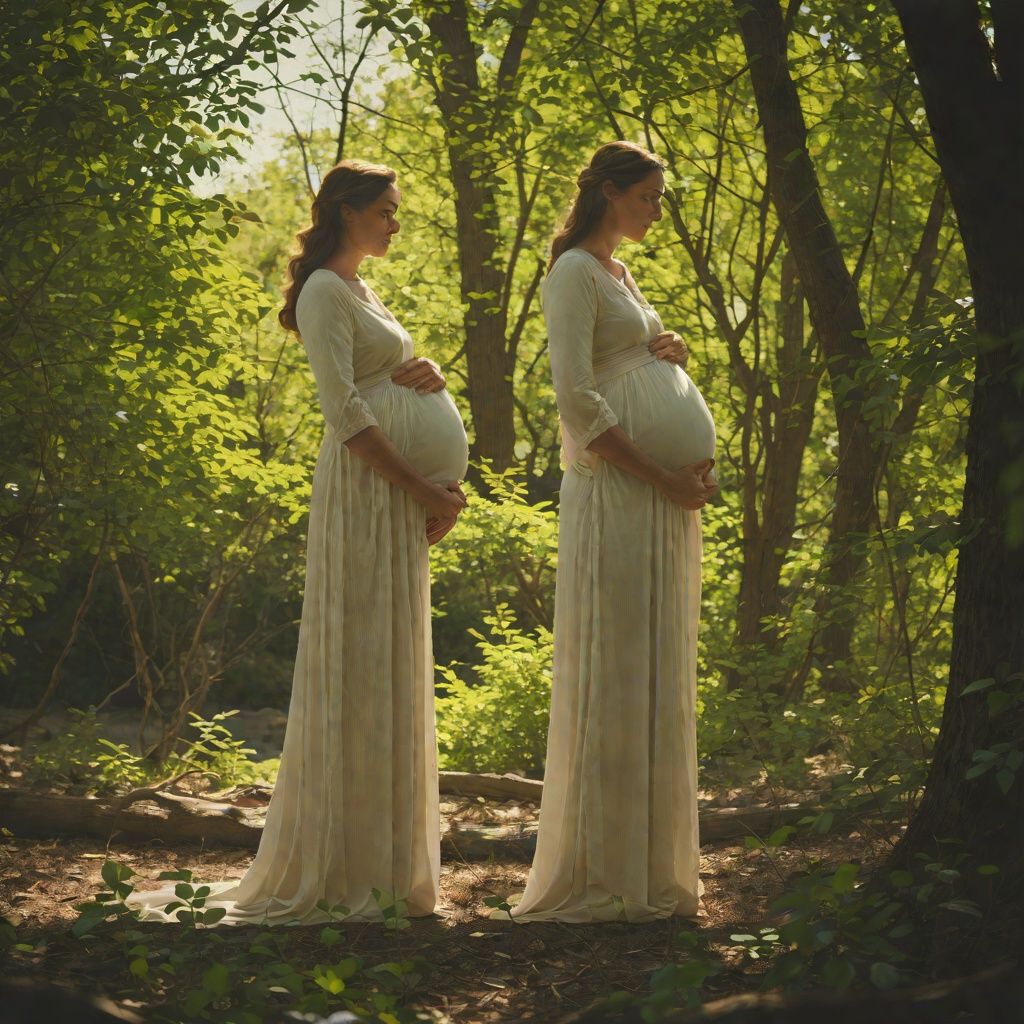
Pregnancy, Motherhood, and the Decision to Leave
Follows Lily Bloom from the shocking discovery of her pregnancy through the birth of her daughter and the final choice to leave Ryle Kincaid.
